Brain Injury Lawyer Denver: Can You Sue for Post-Concussion Syndrome?
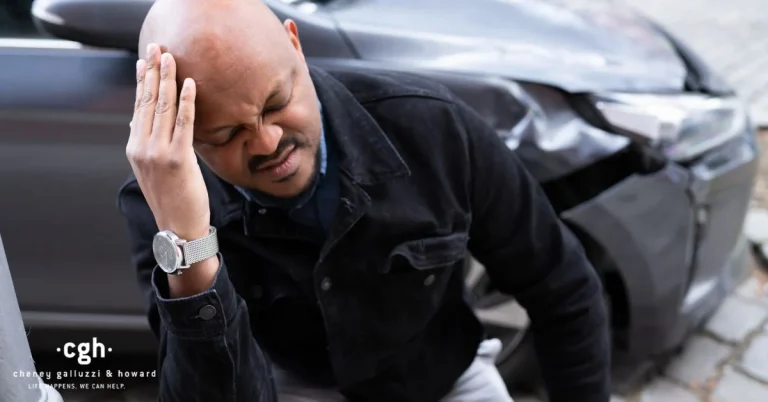
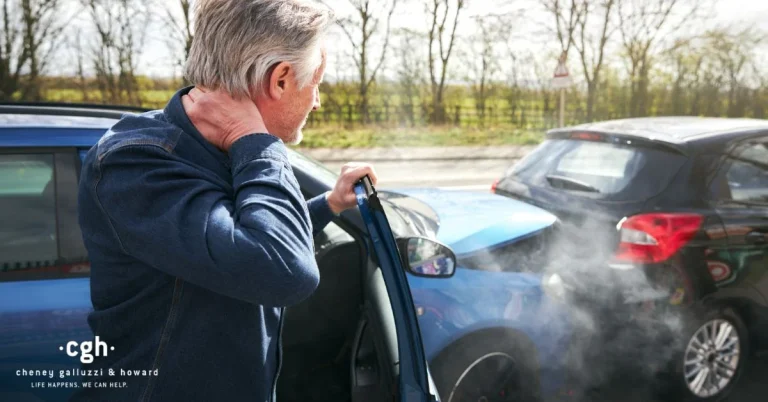

A concussion is often treated like a short-term injury. Rest for a few days, avoid screens, take it easy, then get back to normal. That is the story many people hear in the emergency room, at urgent care, from insurance adjusters, and sometimes even from friends who mean well. But post-concussion syndrome does not fit neatly into that story.
Some people recover quickly. Others do not. Weeks turn into months. Headaches become routine. Light feels sharp. Noise feels hostile. Concentration slips. Sleep breaks apart. Work performance suffers. Driving becomes stressful. Simple conversations can feel harder than they should. At that point, the legal question becomes urgent and practical: if someone else caused the head injury, can you sue for post-concussion syndrome?
In many cases, yes. A claim may exist if another person or company caused the accident through negligence, and the post-concussion symptoms can be tied to that event. The harder part is usually not whether the law recognizes the injury. The harder part is proving the extent of a brain injury that does not always show up clearly on standard imaging and that is too often minimized by insurers.
That is where a seasoned Brain Injury Lawyer Denver residents trust can make a real difference. Mild traumatic brain injuries are called "mild" because of a medical classification, not because the consequences are mild. In practice, these cases often require careful medical development, strong documentation, and patience. A quick settlement usually benefits the insurance company, not the injured person who is still trying to function through migraines, memory lapses, and fatigue.
What post-concussion syndrome actually looks like in real life
Post-concussion syndrome is a cluster of symptoms that continue after the initial concussion. The symptoms vary, and that variation is one reason these claims can be misunderstood. One person may mainly struggle with headaches and dizziness. Another may have irritability, poor focus, and sleep disruption. A third may appear fine in a ten-minute conversation but fall apart halfway through a workday.
That last pattern matters. Brain injuries often reveal themselves under cognitive load. A person can hold it together briefly, especially in a quiet room, then crash later. Employers do not always see that. Family members sometimes do not understand it at first. Insurance adjusters often seize on moments when the injured person seems composed and use those moments to suggest the injury is exaggerated.
In a legal claim, lived limitations matter. If reading emails for more than twenty minutes triggers a headache, that matters. If a warehouse employee can no longer tolerate bright lights, that matters. If a parent now needs to lie down in a dark room after school pickup because noise causes nausea, that matters. A brain injury case is not only about a diagnosis code. It is about the disruption of ordinary life.
Yes, you can sue, but only if the legal elements are there
Post-concussion syndrome does not create a lawsuit by itself. The law still requires a basis for liability. In plain terms, you need to show that another party caused the event and that the event caused your injuries.
In Denver, these claims often arise from car crashes, truck collisions, motorcycle wrecks, bicycle impacts, pedestrian accidents, falls on unsafe property, workplace incidents involving third parties, and assaults. The legal theory may be negligence, premises liability, negligent security, or another recognized claim depending on the facts.
The key elements are familiar, but they matter intensely in brain injury cases. Someone had a duty to act reasonably. That person or entity breached that duty. The breach caused the accident. The accident caused the concussion and the ongoing symptoms. The injured person suffered damages as a result.
That sounds straightforward until the defense starts working the weak points. They may admit the crash happened but argue the impact was too minor to cause a lasting brain injury. They may point to a gap in treatment and say the symptoms must not have been serious. They may blame stress, prior headaches, anxiety, poor sleep, age, menopause, ADHD, or a prior accident. Sometimes they throw every alternative explanation at the wall and see what sticks.
A good claim anticipates that from the beginning.
Why these cases are harder than broken bone cases
A fractured wrist usually appears on an X-ray. Surgery records exist. Follow-up imaging tells a clean story. By contrast, many concussion cases live in the space between objective testing and subjective suffering. That does not make them weak. It makes them technical.
CT scans are often used to rule out emergencies such as bleeding or skull fracture. They may be normal in a concussion case. MRI findings may also be normal or nonspecific. That gap creates an opening for insurers to argue that "nothing is wrong," even when the patient is reporting textbook post-concussive symptoms and treating consistently.
The strongest concussion claims are usually built through pattern, consistency, and corroboration. Doctors' notes matter. Neuropsychological testing may matter. Physical therapy, vestibular therapy, speech therapy, occupational therapy, and headache treatment may matter. Work records matter. School records matter. Testimony from spouses, coworkers, and friends can matter because they show before-and-after changes that a scan does not capture.
An experienced Brain Injury Lawyer Denver claimants hire will often spend significant time on the medical timeline. Not because more paper automatically wins a case, but because chronology exposes truth. When symptoms start right after the event, continue through multiple providers, interfere with work and daily life, and are documented over time, the defense has a tougher road.
The accident may look minor, the injury may not be
One of the most common problems in these cases is the "low property damage" argument. It shows up constantly in motor vehicle claims. The insurer points to repair photos and says the vehicles do not look badly damaged. Then it suggests a serious brain injury could not have resulted.
That argument is appealing in a superficial way and often misleading. Human bodies do not respond to impact the way bumpers do. A head can accelerate and decelerate rapidly even in a crash that does not produce dramatic photos. Rotational forces matter. How the person was positioned matters. Whether they struck a window, steering wheel, headrest, airbag, pavement, or another object matters.
Juries can understand this when the case is presented clearly and honestly. People have all seen athletes leave a field after what looked like a routine collision, only to be diagnosed with a concussion. The same principle applies outside sports. What matters is not whether the car was totaled. What matters is what happened to the brain.
What evidence tends to carry the most weight
A post-concussion case is won or lost in the details. People often assume the emergency room chart is the whole story. It is not. The ER visit is only the opening chapter, and sometimes not even a very good one. Emergency providers focus on ruling out immediate danger. They may document only a slice of what the patient is experiencing.
The evidence that often matters most includes:
- early symptom reporting, especially headaches, dizziness, nausea, confusion, balance problems, light sensitivity, memory issues, or loss of consciousness
- follow-up care with primary care doctors, neurologists, concussion specialists, therapists, or neuropsychologists
- records showing how symptoms affected work, school, driving, sleep, mood, and household functioning
- witness statements describing changes in personality, stamina, concentration, or daily behavior after the injury
- a consistent timeline with few unexplained gaps in treatment or contradictory reports
That list is not glamorous, but it reflects how real cases are built. Insurance carriers look for inconsistency. If a person tells one provider they have severe headaches, tells another they are "fine," posts videos of a ski weekend, and misses months of follow-up care, the defense will exploit that. Sometimes there are innocent explanations. People minimize symptoms. They try to push through. They do not understand what to do. Even so, inconsistency makes the claim harder.
The role of diagnosis, and why labels matter less than function
Clients often get hung up on whether a doctor has formally written "post-concussion syndrome" in the chart. That label can help, but function usually matters more than wording. A person may have persistent post-traumatic headaches, cognitive complaints, vestibular dysfunction, sleep disturbance, and emotional changes after a concussion without every provider using the same terminology.
Courts and insurers care about diagnosis, but they care at least as much about proof of limitations. Can the person return to full-duty work? Can they handle screens? Can they read contracts, teach a class, carry inventory, manage deadlines, or commute safely? Have they lost earnings? Have they needed accommodations? Are they withdrawing from normal activities? Those facts make damages concrete.
Medical precision still matters. A lawyer who handles brain injury cases will usually want to know who made the diagnosis, what testing was done, what treatment was recommended, and whether any provider discussed prognosis. But a case does not fail simply because one doctor wrote "concussion" and another wrote "persistent symptoms after head injury."
Denver cases often involve active people with invisible losses
In Denver, many brain injury claims involve people who were highly active before the accident. They commuted by bike, skied on weekends, worked physically demanding jobs, managed young families, or thrived in fast-paced professional roles. That creates a specific kind of loss. The person may still be ambulatory and outwardly normal, but their bandwidth is gone.
A cyclist who used to ride forty miles on a Saturday may now get dizzy on a short grocery trip. A construction supervisor who managed multiple moving parts may now forget routine sequences. A software developer may still know the codebase but lose mental stamina after an hour. A trial attorney may find that fluorescent lighting and sustained concentration trigger headaches severe enough to derail preparation.
Those losses are real, but they are not always obvious in a medical bill spreadsheet. A skilled Brain Injury Lawyer Denver families turn to will usually spend time learning the person's pre-injury life in detail. The gap between before and after is often the most persuasive story in the case.
What damages can be recovered
If liability and causation are established, compensation may be available for both economic and non-economic harm. The categories depend on the facts, the available evidence, and the applicable law, but in many cases damages may include:
- past and future medical treatment related to the concussion and ongoing symptoms
- lost wages, reduced earning capacity, or lost business income
- pain, suffering, inconvenience, and loss of enjoyment of life
- out-of-pocket costs for treatment, transportation, help at home, or adaptive needs
- in serious cases, damages tied to lasting cognitive or functional impairment
The future component is where these cases often become more significant. Someone with symptoms that resolve in six weeks has a very different claim from someone who remains symptomatic at six months, a year, or longer. If a person cannot return to their former job or can work only reduced hours, the financial impact can be substantial, especially for younger professionals with long careers ahead.
The defense will look for prior history
If you had a previous concussion, migraines, anxiety, depression, ADHD, sleep problems, or neck pain, expect the defense to focus on it. That does not mean you cannot recover. It means your case requires more disciplined proof.
The law does not let a negligent party escape liability simply because the injured person was vulnerable. If an accident aggravated a preexisting condition or turned manageable symptoms into disabling ones, that can still be compensable. But the records need to show what changed.
This is one reason honesty matters so much. Trying to hide prior medical history almost always backfires. A better approach is to confront it directly. If you had occasional migraines twice a year and now have headaches four days a week, that difference matters. If anxiety was previously managed and now intensifies because of cognitive limitations and sleep disruption after the concussion, that story needs to be documented carefully and credibly.
Medical treatment decisions can affect the value of the case
People sometimes hear the phrase "follow your doctor's orders" and think it is only a legal slogan. It is not. In post-concussion cases, appropriate follow-up care often helps both health outcomes and claim strength.
That does not mean every person needs every specialist. It does mean that persistent symptoms deserve evaluation. If a primary care doctor recommends a neurology referral, vestibular therapy, cognitive therapy, or work restrictions, those recommendations matter. Ignoring them without a good reason can give the insurer room to argue the condition was not serious or that the person failed to mitigate damages.
At the same time, overtreatment can create its own problems. Juries can sense when care feels inflated or disconnected from the actual symptoms. Good cases are not built by piling on providers. They are built by obtaining sensible, medically justified care and documenting the response over time.
Social media and surveillance can do real damage
A surprising number of people undermine legitimate claims with casual posts. They share a hike, a concert, a ski day, or a family event without context. The defense then presents the image as proof that the person is not injured.
What the photo does not show is often the most important part. Maybe the injured person stayed for twenty minutes, developed a pounding headache, and spent the next day in bed. Maybe they attended because they were trying to preserve some sense of normalcy. Maybe they smiled for a picture and then went home early.
Still, the risk is real. Public posts can distort the record. In serious claims, surveillance is also possible. That is another reason consistency matters. If you report severe light sensitivity but are seen spending hours in bright outdoor settings without apparent issue, the defense will use it. Sometimes there is an explanation. The point is that explanations are easier when your conduct and your medical reporting align.
Timing matters more than many people realize
Colorado claims are subject to deadlines, and the specific limitations period can depend on the type of case. Motor https://martinkyic164.rivertonbrief.com/posts/brain-injury-lawyer-denver-for-slip-and-fall-head-injury-cases vehicle cases may involve one timeline, while other personal injury claims may involve another. Claims against governmental entities can trigger additional notice requirements and shorter deadlines. Missing a deadline can destroy an otherwise strong case.
Timing also matters from a practical evidence standpoint. Early witness statements are cleaner. Surveillance footage disappears. Employers change systems. Memory fades. Medical treatment is easiest to connect when the chain of records is intact and symptoms are being reported consistently rather than reconstructed months later.
For that reason, people dealing with prolonged symptoms should not wait for perfect clarity before getting legal advice. A consultation does not force a lawsuit. It helps preserve options.
When should you talk to a lawyer?
The right time is usually earlier than people think, especially if symptoms are persisting beyond the initial recovery window, work is being affected, or the insurer is already minimizing the claim. A lawyer can help identify missing records, coordinate the damages picture, and prevent avoidable mistakes in communication with insurers.
This is particularly important in brain injury cases because the person making decisions may already be struggling with memory, fatigue, or overload. Deadlines, forms, recorded statements, and treatment coordination are harder when the injury itself affects executive functioning.
A strong lawyer will not promise easy money or instant results. These cases can be slow. They often require months of medical development before the full scope of the harm is visible. Fast settlements are tempting when bills are stacking up, but once a claim resolves, there is usually no second chance if symptoms continue.
What a Brain Injury Lawyer Denver should be evaluating
Not every personal injury case needs the same level of medical depth, and not every lawyer is equally comfortable with brain injury evidence. In a post-concussion claim, the lawyer should be looking beyond the crash report and the emergency room bill.
They should want to understand the mechanism of injury, the symptom progression, the provider network, the work impact, the pre-injury baseline, and the likely future course. They should also be candid about weaknesses. Maybe there was a delay in treatment. Maybe the client had two prior concussions. Maybe the imaging is unremarkable. Maybe a difficult social media record exists. Good lawyering does not ignore those facts. It deals with them.
This is also where experience shows up in case value. A lawyer who understands concussion cases knows that a "mild" brain injury can produce major life disruption. They know when neuropsychological testing may be useful and when it may not. They know the difference between a temporary symptom flare and a likely long-term impairment. They know that juries respond to specifics, not labels.
The practical answer to the question
Can you sue for post-concussion syndrome? Yes, if another party caused the accident and the evidence supports that the concussion and persistent symptoms flowed from that event. The viability of the case depends less on the phrase "post-concussion syndrome" itself and more on liability, medical proof, consistency, and documented impact on daily life.
Some of these claims settle well because the records are clear, the symptoms are persistent, the work loss is measurable, and the story makes sense from start to finish. Others become difficult because treatment was sporadic, prior history was hidden, or the defense found too many contradictions. The difference is rarely luck. It is usually preparation.
If you or a family member is living with months of headaches, dizziness, cognitive fatigue, irritability, or sensory overload after an accident, do not let the word "mild" fool you. Brain injuries can alter income, identity, relationships, and independence long after the first medical visit. A thoughtful Brain Injury Lawyer Denver injury victims rely on can help determine whether the facts support a claim and what that claim is truly worth, not just what an insurer hopes you will accept while you are still trying to get through the day.
CGH Injury Lawyers
Address: 2701 Lawrence St Ste 201, Denver, CO 80205
Phone number: +17206698062
FAQ About Brain Injury Lawyer Denver
What to avoid after brain injury?
After a brain injury (such as a concussion or traumatic brain injury), protecting your brain from physical, mental, and chemical stress is critical to proper healing.
What is a brain injury lawyer?
A brain injury lawyer (or Traumatic Brain Injury / TBI lawyer) is a personal injury attorney who represents individuals who have suffered concussions, contusions, hemorrhages, or other forms of brain trauma caused by someone else's negligence, recklessness, or intentional harm.
Can traumatic brain injury be cured?
A traumatic brain injury (TBI) cannot be strictly "cured" in the sense of reversing permanent cell death or restoring the brain to its exact pre-injury state. However, the brain possesses a remarkable ability to heal and adapt.